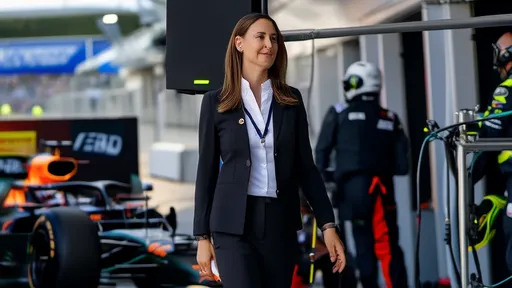
The disappearance of grid girls from motorsport events marks the end of a century-old tradition that once seemed inseparable from racing culture. For decades, these women stood beside cars in glamorous outfits, holding umbrellas or placards with drivers' names, embodying a spectacle that blended speed with allure. Yet in recent years, major racing series—including Formula 1, Formula E, and the World Endurance Championship—have phased out the practice, citing evolving social values and a push for inclusivity. The decision, while celebrated by some, has sparked debates about tradition, gender roles, and the commodification of beauty in sports.
The Origins of Grid Girls
The tradition of grid girls traces its roots to the early 20th century, when motorsport was still in its infancy. In the 1920s and 1930s, races often featured women as mascots or symbols of good luck, a nod to the aviation industry's "fly girls." By the 1950s, the role had evolved into a more structured presence, with women in coordinated outfits greeting drivers and fans at events. The term "grid girl" became commonplace in the 1970s, as Formula 1's global expansion turned these women into fixtures of the sport's glamorous image. They were not just part of the pre-race ceremonies but also appeared in promotional materials, calendars, and television broadcasts, becoming synonymous with the spectacle of racing.
For many years, the presence of grid girls was uncontroversial. They were seen as part of the entertainment package, much like halftime shows or cheerleaders in other sports. However, as societal attitudes toward gender representation began shifting, criticism grew. Detractors argued that the practice reduced women to decorative props, reinforcing outdated stereotypes. The debate reached a tipping point in the late 2010s, when the #MeToo movement and broader conversations about workplace equality brought renewed scrutiny to industries where women's roles were perceived as ornamental rather than substantive.
The Decision to Phase Out Grid Girls
In 2018, Formula 1 made headlines by announcing it would no longer employ grid girls, a move quickly followed by other racing series. The decision was framed as a step toward modernization. "While the practice of using grid girls has been a staple of Formula 1 for decades, we feel this custom does not resonate with our brand values and clearly is at odds with modern societal norms," a spokesperson said at the time. The statement emphasized inclusivity, noting that the sport wanted to attract a more diverse fanbase and create an environment where all attendees felt welcome.
The reaction was polarized. Supporters hailed the move as long overdue, arguing that it aligned motorsport with contemporary values of gender equality. Critics, however, viewed it as unnecessary political correctness, erasing a harmless tradition that many grid girls themselves defended. Some former grid girls spoke out, stating that they had enjoyed the job and saw it as a form of empowerment rather than objectification. "It was a choice we made, and it was fun," said one former grid girl in an interview. "We were part of the show, just like the drivers or the cars."
The Broader Implications
The elimination of grid girls reflects a larger trend in sports and entertainment, where long-standing practices are being reevaluated through a modern lens. Similar debates have arisen around cheerleaders in the NFL, ring card girls in boxing, and even the use of mascots in some contexts. The underlying question is whether these traditions are harmless fun or perpetuate problematic norms. In motorsport, the shift away from grid girls has coincided with efforts to promote women in more active roles, such as engineers, commentators, and even drivers—a change that advocates say is more meaningful than symbolic gestures.
Yet, the conversation is far from settled. Some argue that the removal of grid girls was a superficial fix, doing little to address deeper issues of gender disparity in motorsport. Women remain underrepresented in technical and leadership roles, and female drivers still face significant barriers in reaching the pinnacle of the sport. Others contend that the controversy over grid girls overshadowed more pressing issues, such as sustainability or safety, which are arguably more critical to the future of racing.
The Legacy of Grid Girls
Though grid girls have largely vanished from the racetrack, their legacy endures in the debates they sparked. Their disappearance symbolizes a cultural shift, one where sports are increasingly held accountable for the messages they send about gender and representation. For some, the change is a sign of progress; for others, it's a loss of tradition in the name of political correctness. What remains clear is that the conversation about the role of women in motorsport—and in sports generally—is far from over. As racing continues to evolve, the lessons from the grid girl era will likely influence how the sport navigates future challenges around identity, inclusivity, and entertainment.

By /Jun 15, 2025

By /Jun 15, 2025

By /Jun 15, 2025
By /Jun 15, 2025
By /Jun 15, 2025

By /Jun 15, 2025

By /Jun 15, 2025

By /Jun 15, 2025

By /Jun 15, 2025

By /Jun 15, 2025

By /Jun 15, 2025
By /Jun 15, 2025
By /Jun 15, 2025
By /Jun 15, 2025

By /Jun 15, 2025
By /Jun 14, 2025
By /Jun 14, 2025
